Makkah & Madinah ziyarat — Places to visit
Important places in Makkah and Madinah that Umrah pilgrims visit, with names and significance.
When you perform Umrah or visit the Haramayn, these are among the places pilgrims commonly visit. Knowing their importance adds meaning to your journey.
Makkah
Masjid al-Haram & Kaaba
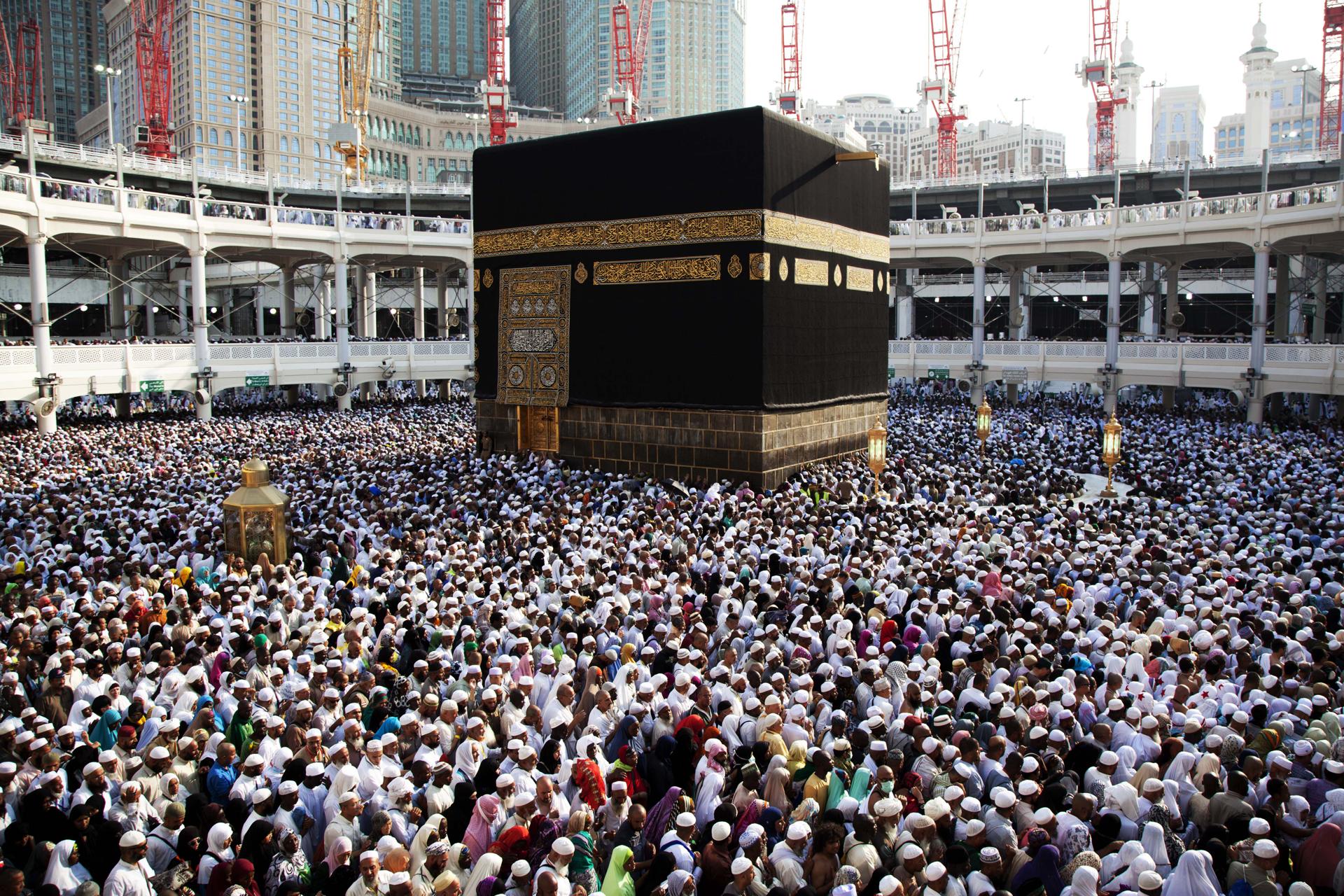
The house of Allah, built by Ibrahim and Ismail (peace be upon them). The direction of prayer (qibla) for all Muslims. Tawaf and Umrah/Hajj rites are performed here.
Maqam Ibrahim
The stone on which Ibrahim (peace be upon him) stood while building the Kaaba. His footprint is preserved. Praying two rak'ah after tawaf near it is recommended.
Zamzam
The well of Zamzam, which sprang forth for Ismail (peace be upon him) when his mother Hajar searched for water. Drinking Zamzam with intention is a sunnah.
Jabal al-Noor & Cave Hira
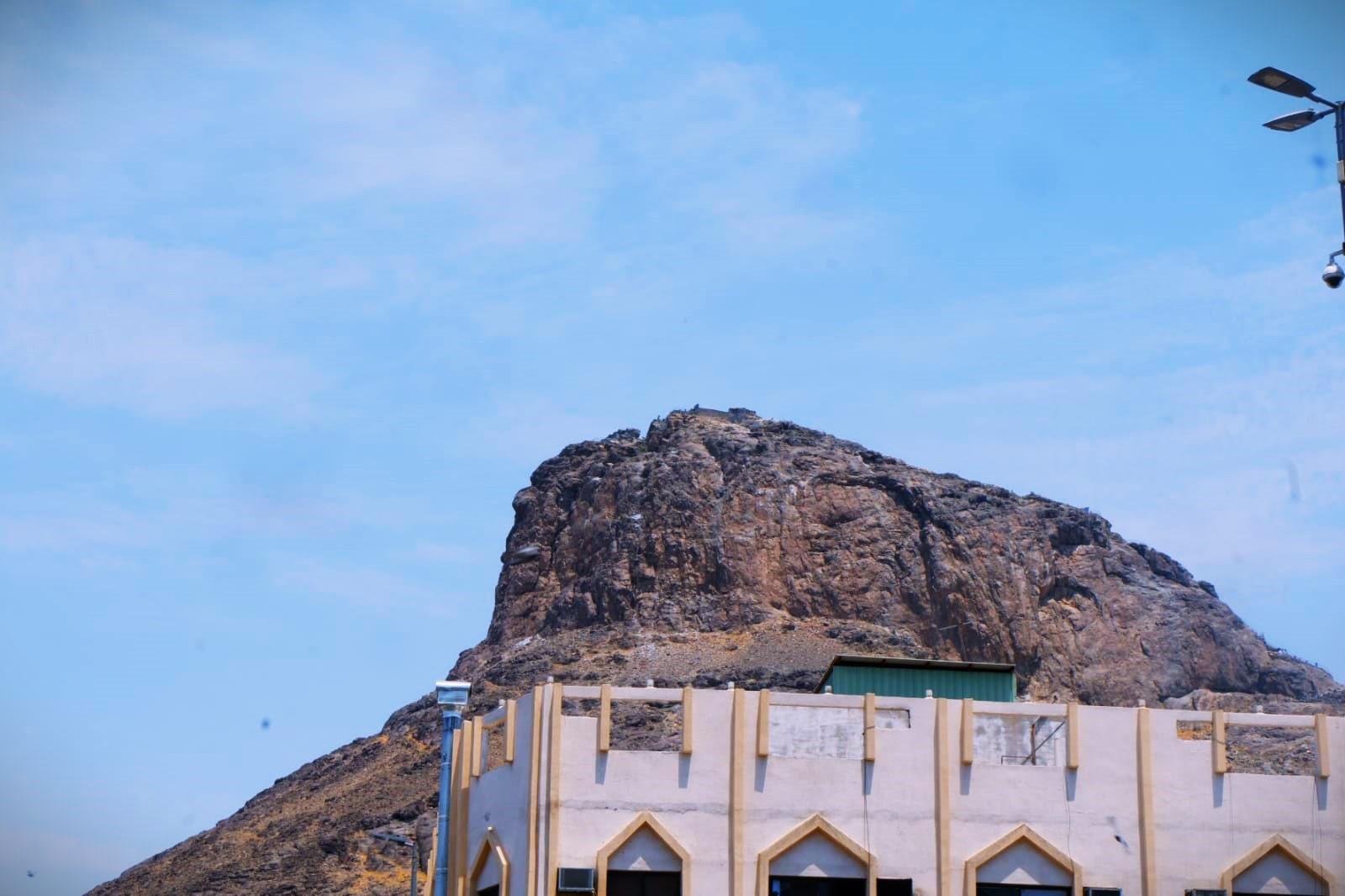
The mountain where the Prophet ﷺ received the first revelation (Surah Al-Alaq). Cave Hira (Ghar Hira) is where Angel Jibril came with the command to read.
Jabal al-Thawr & Cave Thawr
During the migration to Madinah, the Prophet ﷺ and Abu Bakr (may Allah be pleased with him) hid here for three days from the Quraysh. A spider spun a web and a dove nested at the entrance, which helped conceal them.
Mina, Muzdalifah, Arafat
Sites of Hajj rites. Umrah pilgrims don't go here for Umrah, but many visit or learn about them for future Hajj.
Madinah
Masjid al-Nabawi
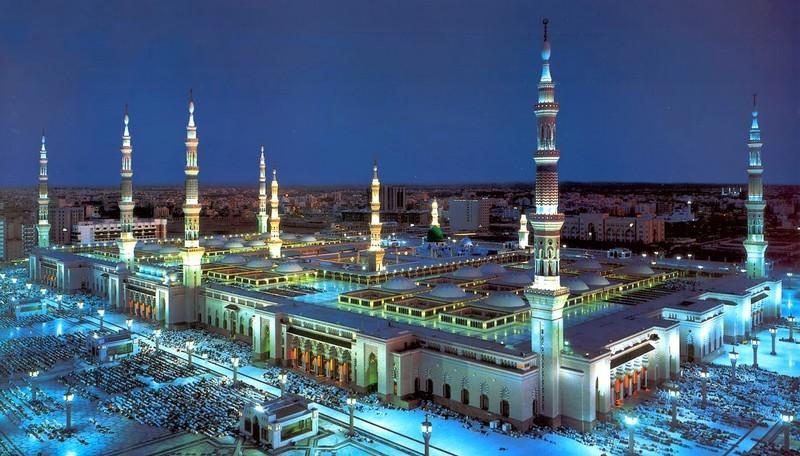
The Prophet's mosque, built by the Prophet ﷺ after migration. His grave is in the Rawdah area. Praying here carries great virtue; one prayer is better than a thousand elsewhere (except Masjid al-Haram).
Rawdah (Riyadh al-Jannah)
The area between the Prophet's minbar and his room. It is described as a garden from the gardens of Paradise. Making dua here is highly recommended when possible.
Masjid Quba
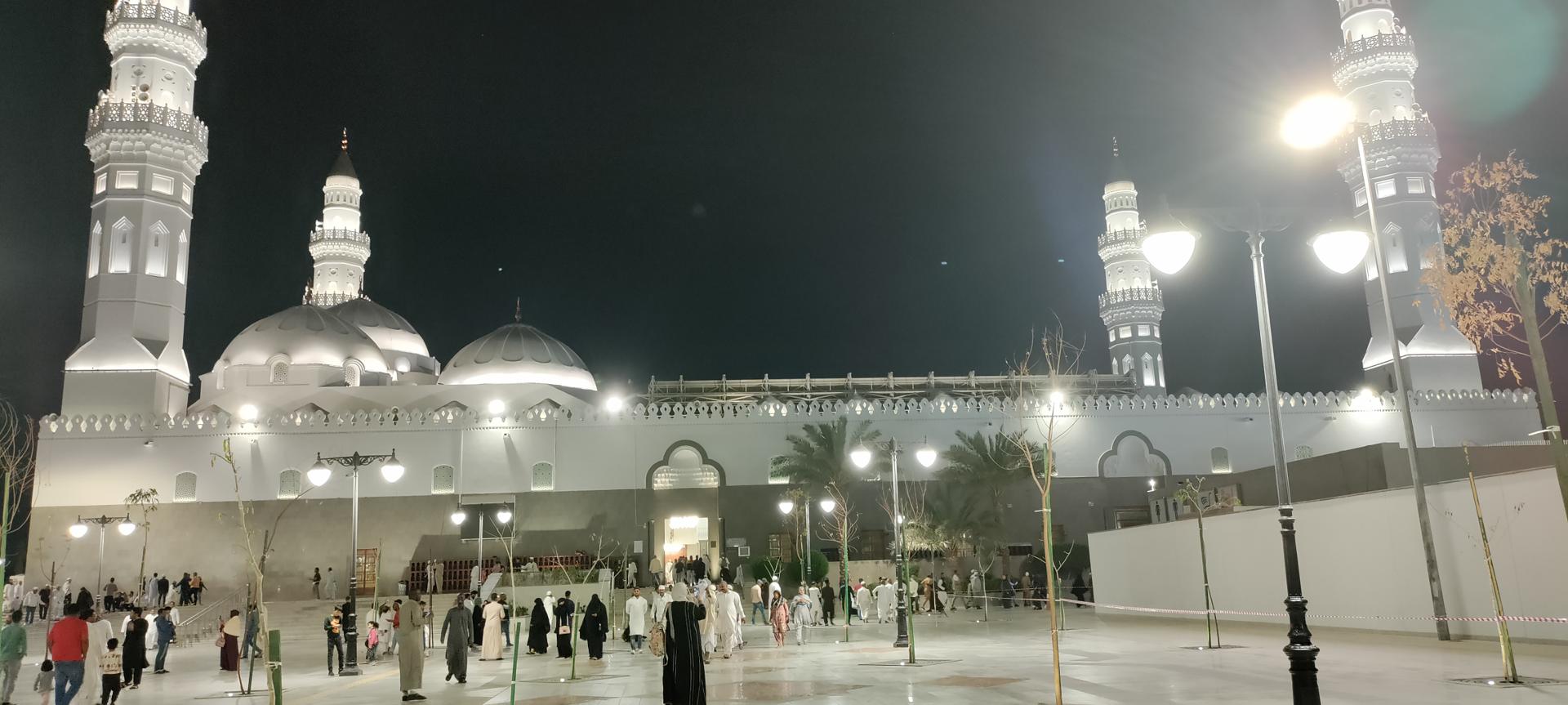
The first mosque built in Islam. The Prophet ﷺ laid its foundation stones. A prayer here is equivalent to an Umrah in reward. He ﷺ used to visit it on Saturdays.
Masjid Qiblatayn
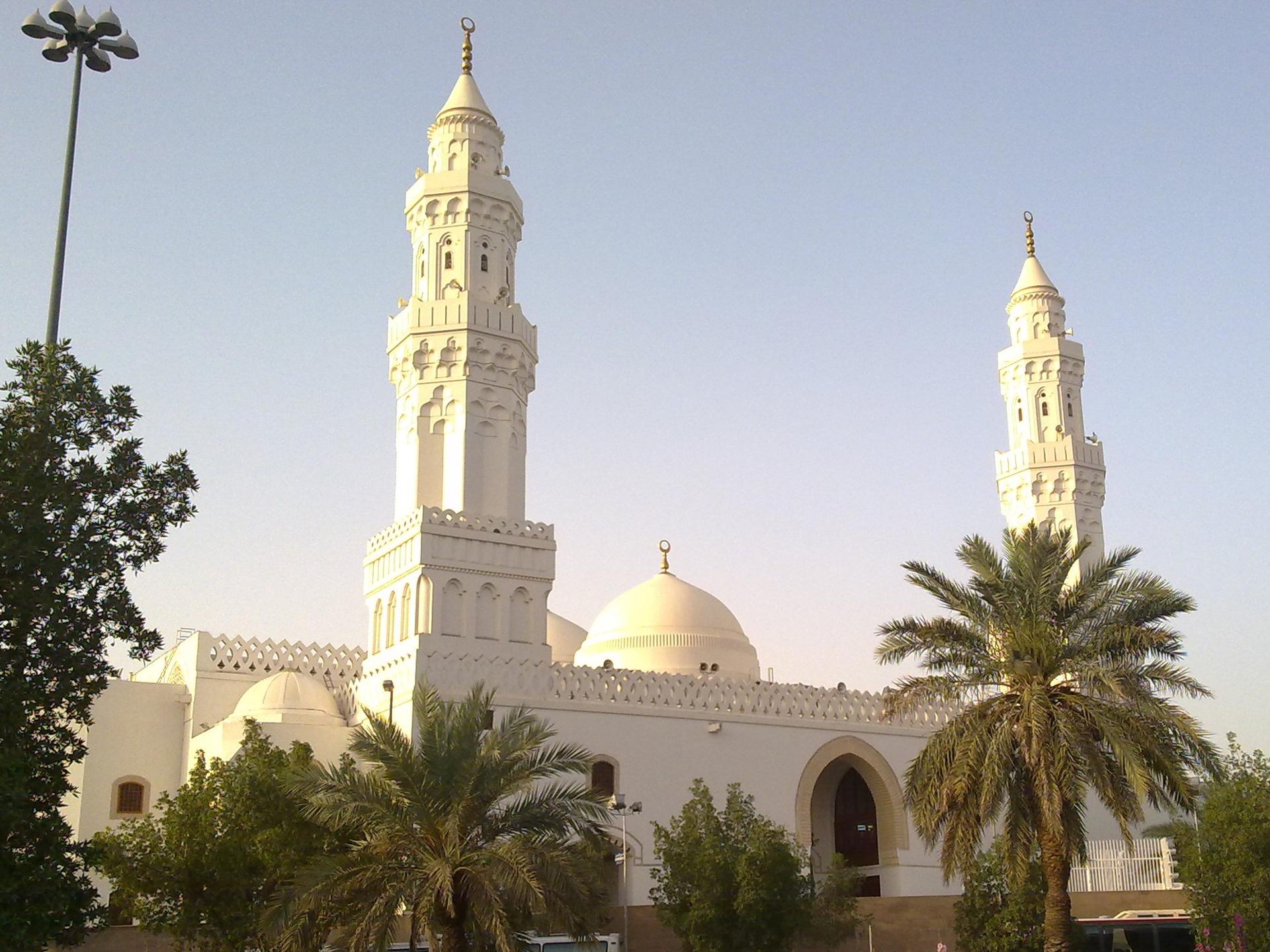
The mosque of the two qiblas. Here, during prayer, the Prophet ﷺ received the revelation (Qur'an 2:144) to change the direction of prayer from Masjid al-Aqsa (Jerusalem) to the Kaaba. The congregation turned mid-prayer to face Makkah.
Jannat al-Baqi
The cemetery where many Companions and family of the Prophet ﷺ are buried, including Uthman, Umm Kulthum, and many others. Visiting and making dua for them is a sunnah.
Masjid al-Jummah
Where the Prophet ﷺ prayed the first Jummah (Friday prayer) in Madinah when he arrived from Quba. It marks the spot where he stopped on the way to Madinah.
Jabal Uhud
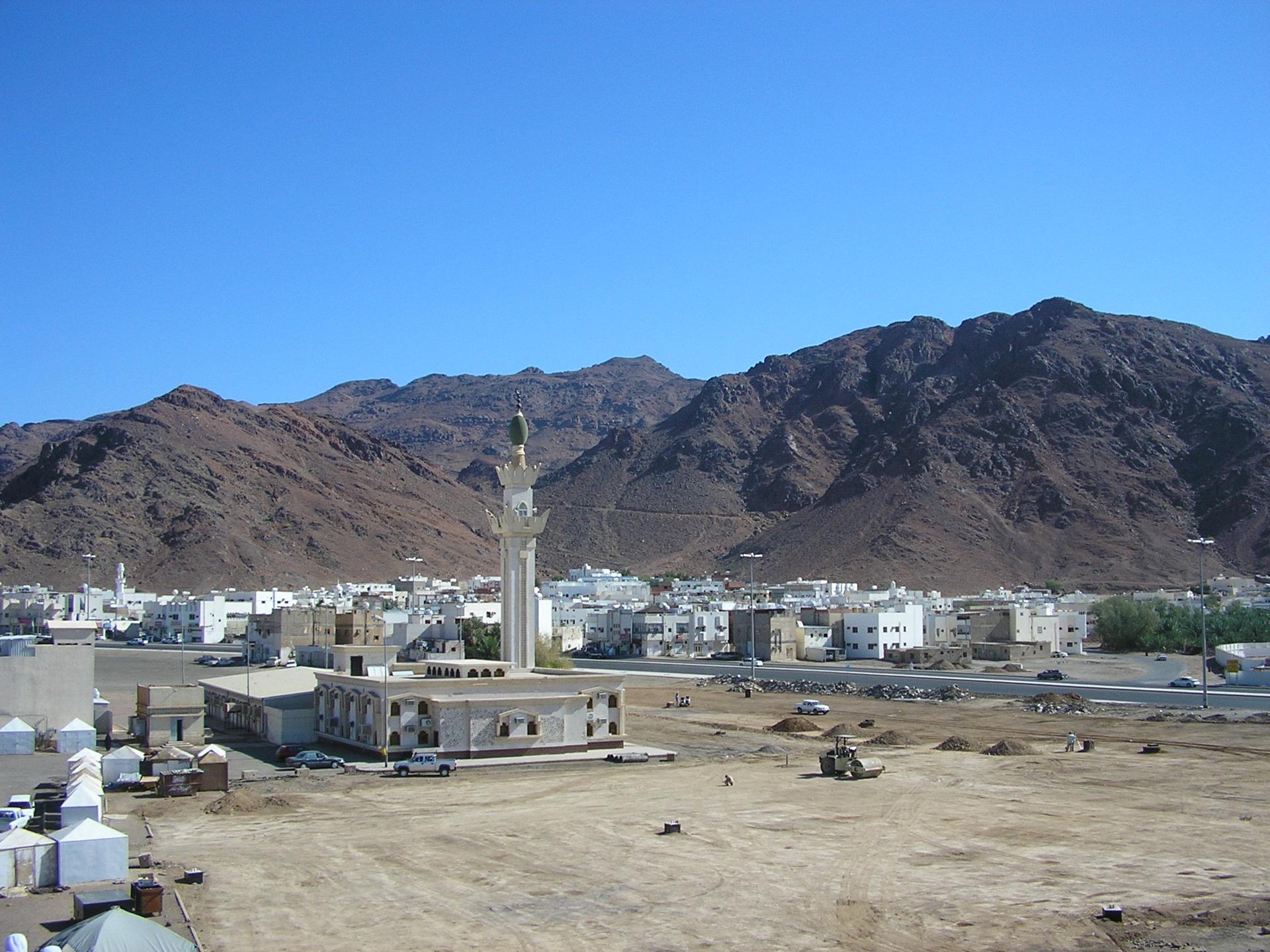
The mountain of the Battle of Uhud (3 AH). The Prophet ﷺ and many Companions fought here. Hamzah (may Allah be pleased with him) and other martyrs are buried at its foot. Visiting and making dua for the martyrs is recommended.
Masjid al-Ghamamah
Where the Prophet ﷺ prayed Eid and Istisqa (rain) prayers. A cloud (ghamamah) is said to have shaded him during prayer.
Practical tips
- Visit during quieter times when possible.
- Make sincere dua at each place.
- Respect local rules and crowd management.
- Consult your group leader for current visiting arrangements.
Photos: Wikimedia Commons (CC BY-SA, public domain). See individual files for license.
Sources & notes
- Hadith: Virtues of Masjid Quba, Rawdah, and visiting the Prophet's grave.Sahih al-Bukhari, Sahih Muslim, and other collections.
- Qur'an 2:144 (change of qibla).Consult a trusted translation/tafsir.
- Historical and fiqh references on ziyarat.Consult a qualified scholar for etiquette and rulings.
Disclaimer: This page is educational and not a fatwa. Please consult a qualified scholar for personal rulings.